Measuring Your Waist: Why Inches Matter More Than Pounds
Reading time: 8 minutes
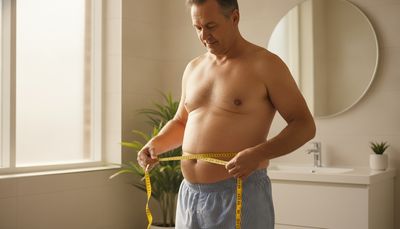
You step on the scale and the number hasn't budged. Frustrating, right? Yet you actually feel better, your pants fit looser, and a buddy recently said you'd lost weight. What your scale doesn't show: your body is changing, and the best proof is right under your waistband. If you were to measure your waist, the picture would look very different.
The tape measure is your most honest ally when losing weight. While the scale only gives you a single total, your waist circumference reveals where the dangerous visceral fat is hiding and whether your efforts are really paying off. That's the difference between "I'm losing weight" and "I'm getting healthier."
Why Your Waist Measurement Matters More Than Your Weight
Weight is just a number. It doesn't distinguish between muscle, water, bone and fat. You can lose four pounds of fat but build three pounds of muscle. The scale then shows only one pound less, even though you've made enormous progress.
When you measure your waist, on the other hand, you get straight to the point. Every inch lost around your belly means less fat tissue around your organs. According to the German Obesity Society (Deutsche Adipositas Gesellschaft), the critical waist circumference for men is 94 centimeters (37 inches) for increased risk and 102 centimeters (40 inches) for substantially increased risk. These numbers aren't arbitrary, they're scientifically established thresholds for your health.
A man who weighs 209 pounds with a 35-inch waist is metabolically healthier than a man who weighs 187 pounds with a 42.5-inch waist. The reason: fat distribution determines your health risk, not weight itself.
Visceral Fat: The Invisible Enemy in Your Midsection
Not all fat is the same. The fat directly under your skin, the kind you can pinch, is relatively harmless. Visceral fat is where it gets problematic. It settles deep inside the abdominal cavity, wrapping around the liver, pancreas and intestines.
Visceral fat is metabolically active. It produces inflammatory messengers and hormones that raise your diabetes risk, push up your blood pressure and promote cardiovascular disease. The World Health Organization (WHO) lists excess belly fat as an independent risk factor for type 2 diabetes and heart attack.
When you measure your waist regularly, you're indirectly tracking this dangerous fat. The more inches you lose around your belly, the more visceral fat disappears. You'll notice it not only in how you look, but also in your blood work and how you feel.
Why Men Are Especially Affected
Men are genetically prone to storing fat around the belly, the famous apple shape. Women tend to collect fat on the hips and thighs (pear shape), which may bother them visually but is less critical for their health. Testosterone favors central fat distribution, and as you age, testosterone levels drop while your waistline grows.
How to Measure Your Waist Correctly
All you need is a flexible tape measure, which you can get for a few dollars at any drugstore. The right technique makes the difference between meaningful and useless numbers.
- Measure in the morning before breakfast on an empty stomach, after your first trip to the bathroom
- Stand up straight and breathe out normally (don't suck in, don't push out)
- Place the tape measure horizontally at the level of your belly button; for some men the narrowest point between the bottom of the rib cage and the top of the hip bone is more meaningful
- The tape should fit snugly but not dig in
- Measure at the same spot and record the date and value
- Repeat the measurement every two weeks at the same time of day
Fluctuations of a quarter inch are normal, depending on whether you ate salty food yesterday or how full your gut is. That's why a single measurement makes little sense. What counts is the trend over several weeks.
Avoiding Typical Measuring Mistakes
Many people measure after lunch or in the evening. By then the belly is bloated from food and air, and the numbers come out about an inch higher than in the morning. Others unconsciously pull their stomach in while measuring. That's why the exhaled position is crucial: you should stand relaxed, as if you were waiting for someone.
When Does Your Waist Measurement Become Dangerous
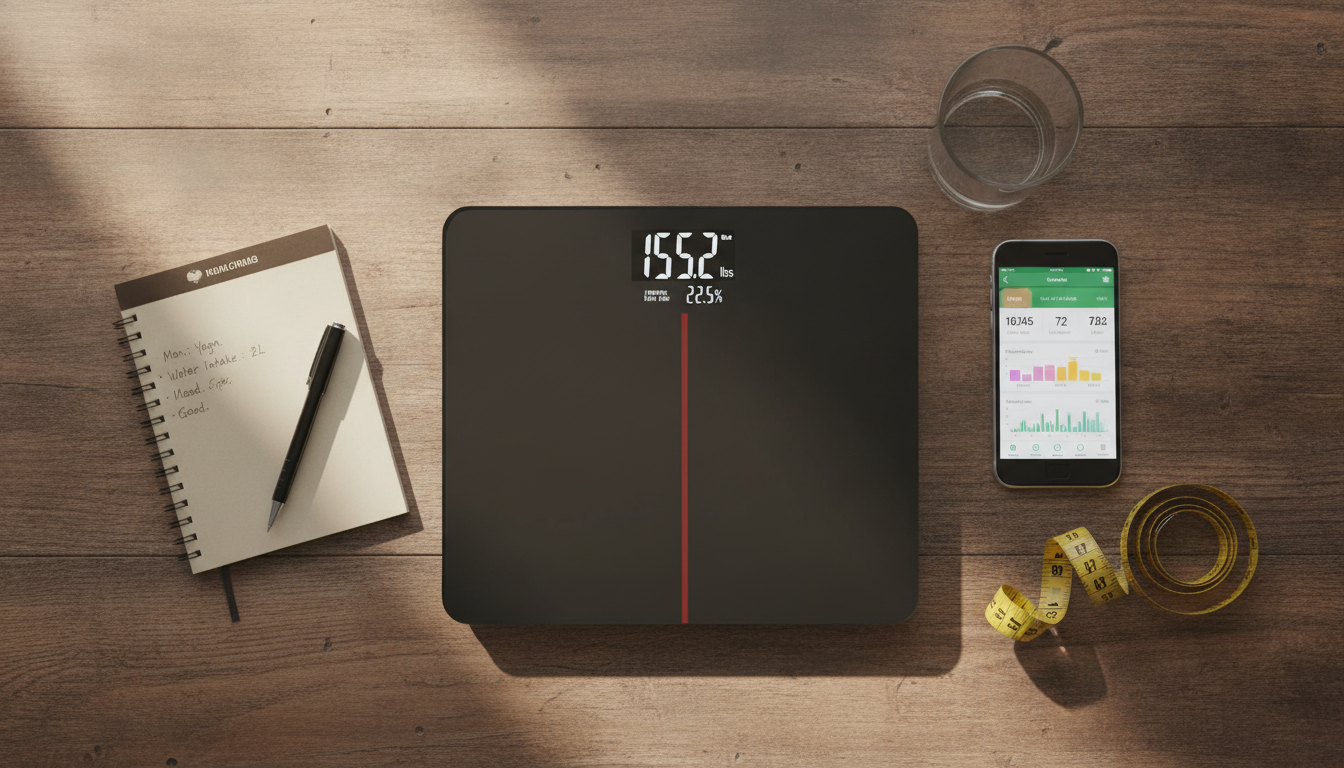
The German Nutrition Society (Deutsche Gesellschaft für Ernährung) gives clear benchmarks for men. With a waist circumference above 94 centimeters (37 inches), the risk of metabolic disease rises measurably. From 102 centimeters (40 inches), the risk is considered greatly increased.
These numbers are based on large epidemiological studies. They show that, regardless of your total weight, a big belly is an independent risk factor. A man with a 40-inch waist has a threefold higher risk of type 2 diabetes compared to a man with a 35-inch waist, even if both weigh the same.
If you're above these values, it's not the end of the world. It's a wake-up call. Every inch you reduce lowers your risk. Even two inches less makes a noticeable difference for your health.
What Your Waist Measurement Says About Your Health
When you measure your waist regularly and record the values, you get an early warning system for metabolic problems. Visceral fat correlates strongly with insulin resistance, elevated cholesterol levels and high blood pressure.
That's why doctors use waist circumference as a screening tool. Together with the body mass index (BMI), it gives a more realistic picture of your health than the scale alone. This is known as the "waist-to-height ratio": your waist circumference should be less than half your height. At a height of 5 feet 11 inches (71 inches), that would be a maximum waist circumference of 35.5 inches.
For anyone involved in dating or sugar dating: a healthy waist measurement radiates more than just looks. It signals that you take care of yourself, have discipline and think long term. These qualities are attractive because they stand for stability and self-care. Nobody expects a six-pack, but the will to improve makes the difference.
How to Effectively Reduce Your Waist Circumference
Fortunately, visceral fat responds well to lifestyle changes. Unlike the stubborn subcutaneous fat on hips or thighs, belly fat often melts away first in a calorie deficit. The reason: it's more metabolically active and gets mobilized faster when your body needs energy.
Strength training plays a central role. More muscle mass raises your basal metabolic rate and improves insulin sensitivity. You don't have to go to the gym for it: strength training at home without equipment is perfectly enough to start. Three sessions a week with squats, push-ups and planks get your metabolism going.
Endurance exercise like brisk walking, cycling or swimming gives fat burning an extra boost. Important: you don't have to train excessively. According to the WHO, 150 minutes of moderate activity per week already significantly lowers your risk of chronic disease.
Diet: The Main Lever for a Smaller Waist
You lose belly fat when you're in a calorie deficit overall. Spot reduction doesn't work, but you can boost fat burning.
Cut back on fast carbohydrates like white bread, sweets and soft drinks. They drive up your blood sugar, promote insulin release and favor fat storage around the belly. Focus instead on whole grains, vegetables, lean protein and healthy fats.
Alcohol is an underestimated belly-fat builder. One beer has 200 kilocalories, and alcohol inhibits fat burning. If you regularly drink two beers in the evening, you take in around 2,800 kilocalories a week from drinking alone. That adds up.
If you're stuck on a weight loss plateau and your waist measurement has stopped shrinking, a diet break or a refeed day often helps restart your metabolism.
Motivation: Why the Tape Measure Is Your Best Friend

The scale can frustrate, the tape measure motivates. If after four weeks of training and mindful eating you've lost more than an inch around your belly but only two pounds on the scale, you've done everything right. You've burned fat and possibly built muscle.
Document your progress with photos and a tape measure, not just the scale. That way you see the real change. A tighter belt notch, pants that fit better or a compliment when buying a suit are concrete wins nobody can take away from you.
Many men report that once their waist drops below 37 inches (94 centimeters), they feel noticeably fitter and more confident. That also affects dating and social interactions. You move differently, stand taller, feel more comfortable in your own skin.
Frequently Asked Questions About Measuring Your Waist
How often should I measure my waist?
Every two weeks at the same time of day is ideal for tracking progress without driving yourself crazy. Measuring daily leads to frustration because of normal fluctuations.
Can I lose weight specifically around my belly?
No, spot reduction is a myth. Your body decides where it burns fat. With a calorie deficit and exercise, though, visceral belly fat often melts first.
At what waist measurement should I see a doctor?
At over 40 inches (102 centimeters), a check of your blood work (sugar, blood lipids, liver values) makes sense. Even if your belly grows quickly without any overall weight gain, have it checked by a doctor.
Why isn't my belly shrinking despite exercise?
Usually it comes down to diet. Exercise alone isn't enough if you're eating above your calorie needs. Track your calories for two weeks, since people often underestimate portions.
Is a hard belly more dangerous than a soft one?
A hard, bloated belly points to a lot of visceral fat. A soft belly has more subcutaneous fat. Neither is ideal, but hard visceral fat is metabolically more dangerous.
Conclusion: Listen to Your Tape Measure, Not Just the Scale
If you take one thing away today, let it be this: measuring your waist is the most honest way to judge your weight loss success and your health. The number on the scale sometimes lies, the tape measure never does. Every inch you lose around your belly is a win for your heart, your metabolism and your confidence.
Get yourself a tape measure, measure in the morning on an empty stomach and record the values every two weeks. You'll be surprised how quickly things change when you pay attention to diet and exercise. And don't forget: for all health questions, especially if your waist measurement is above the risk values, a doctor's visit is the right call. Your body deserves that attention.